
When is (or was) peak car?
Some enthusiasts say we have passed peak car. But it depends which peak you are talking about.
Last week’s Autocar had a letter from someone arguing that the late 1990s Jaguar XJ (the X300 generation) was a fantastic car (true) and more satisfying to drive than current equivalents (arguable). That made peak car over 25 years ago, in his view.
In recent weeks, I have driven a variety of mainstream cars from Audi, VW, Renault and Vauxhall which got me thinking about peak car. All were well-made, refined and could cruise effortlessly for hundreds of miles. They also offered little feedback and were broadly indistinguishable to drive at legal speeds. The “sporty” top of the range Astra GSe was nothing of the sort – it just had a slightly harder ride than the standard model.
Now I should say that peak car only means peak driving satisfaction. Peak car technology is still on the horizon, with huge improvements to come in terms of better batteries, better electric motors and, who knows, better suspension enabling the return of decent ride comfort. It also means peak everyday car. Someone might yet introduce a latter-day Lotus Elise that brings a new level of driver involvement.
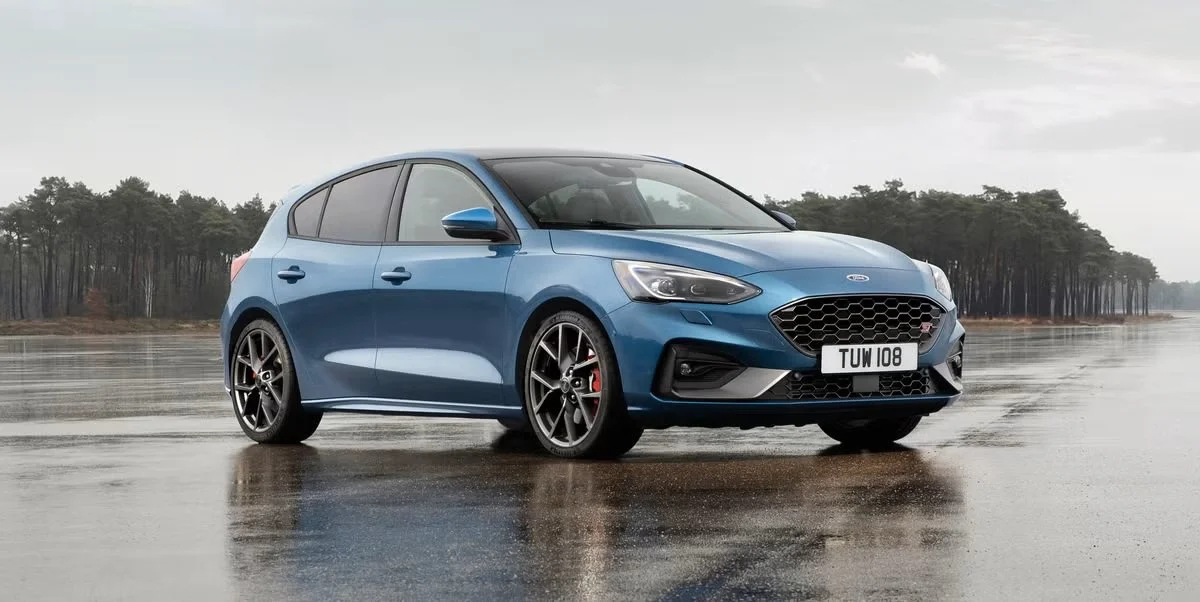
Personally, I view peak everyday car as 2019. Once COVID hit, car companies had to build cars with whatever parts they could find, so it is hard to be sure if that 2021 or 2022 model has all the equipment promised on the manufacturer’s website.
In 2024, the full ADAS suite became mandatory via the GSR2 regulations. In fact, it never became mandatory in the UK but, as the UK market follows the EU rules which it can no longer influence, we get to shout at our dashboards along with everyone else in Europe.
Does that mean a 2030 car will be inferior to a 2019 car? Not exactly. The 2030 car will be quieter, more efficient and generally better at the core task of transporting people. It is just the incidental benefit of driver enjoyment that will continue to fade.
Once, trains were fascinating and little boys grew up wanting to be train drivers. Today an Elizabeth Line train is infinitely more efficient than the Flying Scotsman, but it has no emotional appeal. Cars too will become purely appliances for a task (especially if autonomy happens), with some people keeping old cars for the fun of driving – just not ones with speed limit warning or lane keep assist.