
BEV HGV: an oxymoron in need of a solution
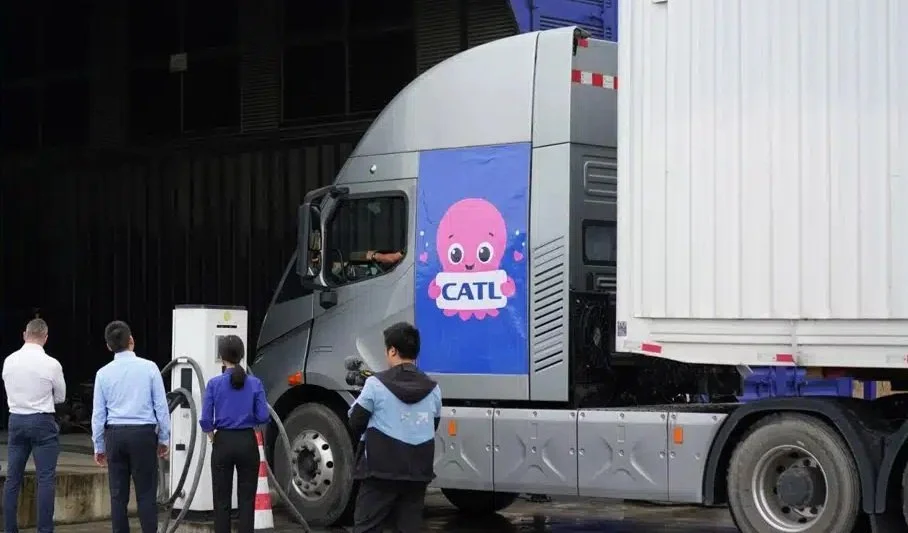
UK sales of battery electric trucks were just 171 units in the first half of 2026, representing a market share of 0.9%. That leaves 14 years to convert the other 99.1% of truck purchases if the government is to meet its 2040 net zero target.
Clearly, some fresh thinking is required, as we are not even in the field next to the ballpark of where electrified trucks need to be. Saying batteries will continue to get cheaper and more efficient fails to appreciate the orders of magnitude required. According to the IEA, battery prices reduced by 65% between 2015 and 2025. That is the good news. The bad news is that a lot of the cost of a battery is now its raw materials – and raw materials do not get cheaper when demand for them increases (oil prices being a case in point).
Batteries will get more efficient, but their energy density is currently around 200wh/kg. Given that a 44 tonne electric truck needs 1200kWh of batteries to travel 800km, those batteries would weight six tonnes and, at a minimum of $100/kWh, would cost $120,000 (£89,000) – pretty much doubling the cost of the truck. The charging time is also a massive barrier: even 350 kW chargers would take a couple of hours to recharge those batteries from 20% to 80%.
Hence the problems of batteries are not going away - we have to find a way of bypassing them. There are currently two promising UK candidates.
The first is battery swap technology, being pioneered in the UK by Octopus Energy. This was tried for cars by an Israeli company called Better Place, but there were not enough advantages over simply recharging a car-sized battery pack (typically 50kWh – 100kWh). However, for bigger truck batteries, it makes a lot more sense. If, say, each removeable pack is around 200kWh, then the pack weighs around 1.0 tonne and costs $20,000 (£14,800). Once off the truck, it can also be charged more slowly (and therefore cheaply), as charging is no longer time-critical. At that point, the lower unit cost of electricity vs heavily-taxed diesel starts to make sense.
The other solution is making the rest of the truck more efficient. Bristol Superlight has developed a rigid box truck using a spaceframe, rather than a ladder chassis. Combined with other weight saving techniques, like replacing the differential with separate electric motors, the truck can actually be lighter than a diesel equivalent. It is 7.5 tonnes GVW, but has the physical dimensions of a 19 tonne truck – perfect for the likes of Amazon, who transport mainly air, and who run out of space long before they run out of weight.
It is too early to say if these complementary technologies (Octopus for articulated trucks, Superlight for rigids) are the definitive answers. However, it is great that British companies are developing credible new solutions. It is pretty clear that continuing to fit big batteries to conventional trucks fails Einstein’s principle that you should not keep doing the same thing and expect a different outcome.